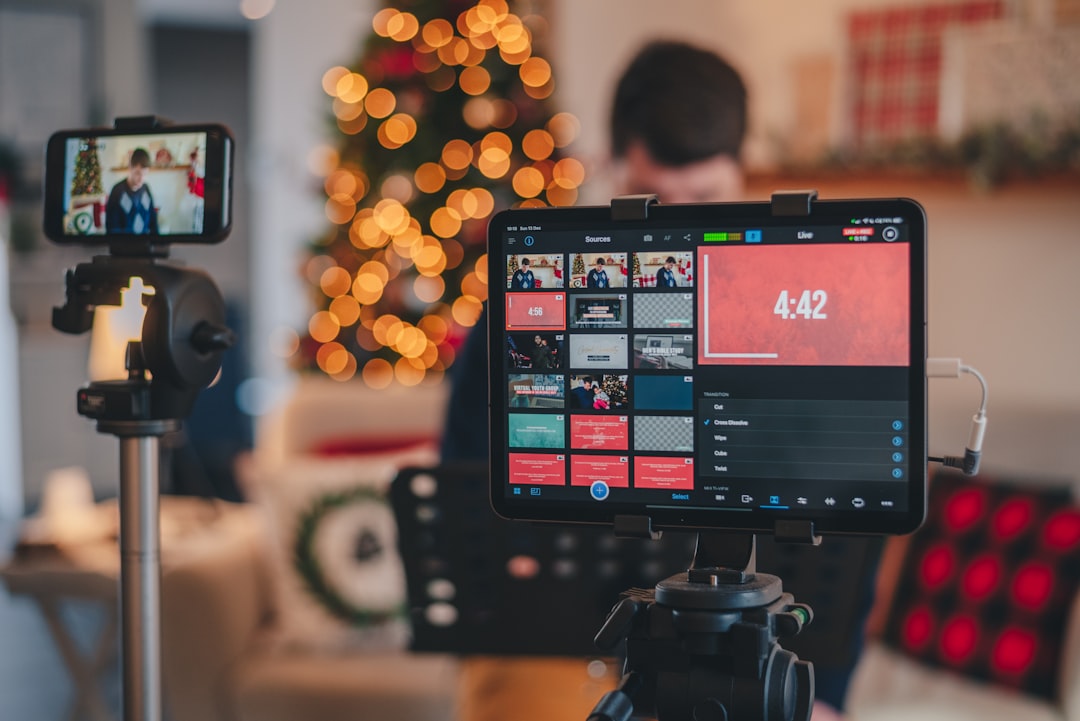
Choosing the best live streaming platform is less about finding a universal winner and more about matching audience behavior, content format, monetization goals, production needs, and distribution strategy. This comparison framework helps you evaluate YouTube Live, Twitch, TikTok Live, and other platforms using repeatable inputs, estimate the real cost of each option, and decide whether multistreaming tools are worth adding to your workflow.
Overview
A live streaming platform is both a broadcast destination and a business environment. It determines how viewers discover your show, how they interact with it, which monetization options may be available to you, what analytics you can review, and how easily you can reuse the recording afterward.
There is no permanently correct ranking because the right choice depends on the job your stream needs to perform. A gaming creator may prioritize community features and repeat viewing. An educator may care more about searchable replays, presentation tools, and long-term discovery. A musician may need dependable audio, rights-aware workflows, and a simple way to direct fans to future performances. A publisher or podcaster may value embeds, replay distribution, and clips.
Use these five evaluation categories when comparing platforms:
- Audience fit: Does the platform already support the people and viewing habits you want to reach?
- Discoverability: Can new viewers find the stream through search, recommendations, short-form content, categories, or existing followers?
- Monetization: Which revenue methods are relevant to your format, and what eligibility, audience, or regional conditions apply?
- Production and analytics: Does the platform work with your streaming software, video quality requirements, moderation process, and reporting needs?
- Distribution: Can you multistream, embed the broadcast, preserve a replay, or turn the show into clips without creating an unmanageable workflow?
For production fundamentals, use the live streaming setup checklist before treating platform differences as the main problem. A stable camera, microphone, connection, and scene layout affect viewer experience on every service.
How to estimate
Instead of asking which platform is “best,” score each candidate against your own priorities. Start by assigning each category a weight from 1 to 5. Then score every platform from 1 to 5 based on how well it meets that requirement for your specific show.
Weighted platform score = sum of (category weight × platform score) ÷ sum of category weights.
For example, a creator focused on searchable educational content might assign a weight of 5 to replay discovery, 4 to analytics, 4 to production compatibility, 3 to monetization, and 2 to live chat features. A creator whose main goal is real-time community may reverse those priorities. The calculation does not predict results; it makes your assumptions visible and prevents one attractive feature from dominating the decision.
Estimate cost separately. Include:
- One-time equipment purchases, such as a camera, microphone, lights, capture device, or upgraded computer.
- Recurring software subscriptions, including streaming software, multistreaming tools, design tools, captioning, storage, and moderation utilities.
- Operational time for setup, moderation, guest coordination, publishing, clipping, and audience follow-up.
- Platform-specific transaction or revenue-share assumptions, but only after checking the current terms that apply to your account and region.
Monthly operating cost = recurring tools + expected platform-related costs + (hours spent × your chosen hourly value).
Keep revenue estimates conservative. A useful planning model is:
Expected monthly contribution = direct revenue + indirect value − monthly operating cost.
Direct revenue may include eligible memberships, subscriptions, tips, sponsorships, products, or paid access. Indirect value can include email signups, sales attributed to the stream, content assets created from the broadcast, or qualified leads. Record these separately rather than combining uncertain outcomes into one optimistic number.
Inputs and assumptions
Your comparison becomes more useful when each input is defined before you score it. Document the following in a simple spreadsheet or planning note.
Content format
Identify whether the show is gaming, education, coaching, shopping, podcasting, music, news, commentary, or a mixed format. Note whether viewers need a live conversation, a high-quality performance, a searchable replay, or a fast vertical viewing experience. These requirements influence the value of chat, replay tools, mobile production, presentation layouts, and clip distribution.
Audience behavior
List where your current audience already follows you and how they typically discover content. Do not assume that a large potential audience automatically produces useful reach. A smaller platform with a better audience match may outperform a broad platform if viewers return, participate, and take the next action you want.
Production requirements
Record your intended resolution, frame rate, number of cameras, guest setup, screen-sharing needs, and audio sources. Confirm that your chosen streaming software or browser-based streaming tool supports the workflow. Test your internet upload capacity and encoding performance rather than selecting bitrate settings by guesswork. A platform comparison cannot compensate for dropped frames, unclear audio, or an overloaded computer.
Monetization assumptions
Separate available tools from expected income. A platform may offer a particular monetization route, but actual results depend on eligibility, audience size, geography, viewer intent, consistency, and the offer itself. Recheck current platform rules before publishing a business forecast. For a broader planning view, review this guide to YouTube Live best practices, Twitch growth, or TikTok Live best practices.
Distribution and workflow
Decide whether one broadcast should appear on multiple destinations. Multistreaming tools can widen distribution, but they may also increase moderation complexity, duplicate chat activity, and preparation time. Score the workflow by its total cost, not only by the number of platforms it reaches. If clips and replays are central to your strategy, include the time required to edit, caption, title, thumbnail, and publish them.
Worked examples
Example 1: A searchable weekly lesson
Suppose an educator publishes a weekly tutorial and wants the live event to continue working as an on-demand resource. The creator assigns the highest weights to replay discovery, search-friendly titles, presentation reliability, chapters or navigation, and analytics. A platform that supports those needs receives stronger scores, even if another service appears more attractive for fast live interaction.
The educator then estimates two workflows: a single-platform broadcast and a multistreamed broadcast. If multistreaming adds two hours of moderation and post-production each month, that time belongs in the cost model. The creator can test the wider distribution for a defined period and compare replay views, returning viewers, signups, and production hours—not just peak concurrent viewers.
Example 2: A live music performance
A musician may give the greatest weight to audio quality, reliable encoding, rights management, performance discovery, and the ability to send viewers toward future shows or products. The decision should include the complete music live streaming setup: microphones, interface or mixer, monitoring, room sound, backup recording, and a way to communicate with viewers between songs.
Before adding multiple destinations, the musician can run a private or limited test, check audio synchronization, review chat moderation, and confirm that the workflow does not distract from the performance. A smaller, dependable setup may be more valuable than a wider broadcast that produces technical problems or leaves no time for follow-up.
Example 3: A short-form-first creator
A creator whose audience primarily watches vertical video may weight mobile discovery, quick interaction, simple production, and conversion to followers. The creator can still preserve a higher-quality recording for clips and longer-form publishing, but should avoid assuming that the same title, aspect ratio, thumbnail, and call to action will work everywhere. Use platform-specific packaging, then compare retention and meaningful actions by destination.
For any example, maintain a small test log with the date, topic, platform, stream length, average and peak audience measures available to you, chat activity, follows or subscribers, revenue, technical issues, and hours spent. This creates a more reliable basis for choosing a platform than a one-off result.
When to recalculate
Revisit your comparison whenever a major input changes. This includes platform pricing, monetization terms, eligibility requirements, analytics features, multistreaming support, audience behavior, or the cost of your production tools. Also recalculate when your format changes—for example, when a weekly gaming stream becomes a podcast, a course, a shopping event, or a music series.
Review the model after a meaningful testing period rather than after one unusually strong or weak broadcast. Compare at least these outcomes:
- Qualified viewers and returning viewers, not only total reach.
- Watch time or retention patterns that indicate whether the format holds attention.
- Chat quality, moderation workload, and community follow-through.
- Revenue and other measurable actions, separated by platform.
- Technical incidents, preparation time, editing time, and total operating cost.
Update your assumptions when official platform documentation or account dashboards change. Keep a dated version of the spreadsheet so you can distinguish a platform change from a change in content, promotion, schedule, or audience. Use a platform-specific title and thumbnail process, and review your repurposing workflow before concluding that a stream failed.
The practical next step is to choose two or three platforms, score them against your actual priorities, calculate total monthly cost, and run a controlled test with the same content standard. Recalculate after the test, then keep the platform—or combination of platforms—that produces the best balance of audience fit, sustainable production, useful analytics, and measurable creator value.